

How Back Pain Treatment Can Support a More Active Lifestyle
Living with persistent spinal discomfort can significantly restrict daily movement, making simple physical activities feel overwhelming, painful, and exhausting. Seeking structured back pain treatment offers individuals a direct path toward restoring mobility, building core stability, and regaining the confidence needed to maintain a dynamic routine. Spanning traditional clinical care, holistic therapies, and restorative daily habits, a comprehensive plan addresses underlying spinal stress while promoting long-term physical resilience. By prioritizing personal alignment and proactive wellness, individuals can effectively manage physical limitations, relieve ongoing tension, and embrace a far more energetic, fulfilling life without feeling restricted by recurring aches.
Understand Root Causes of Discomfort
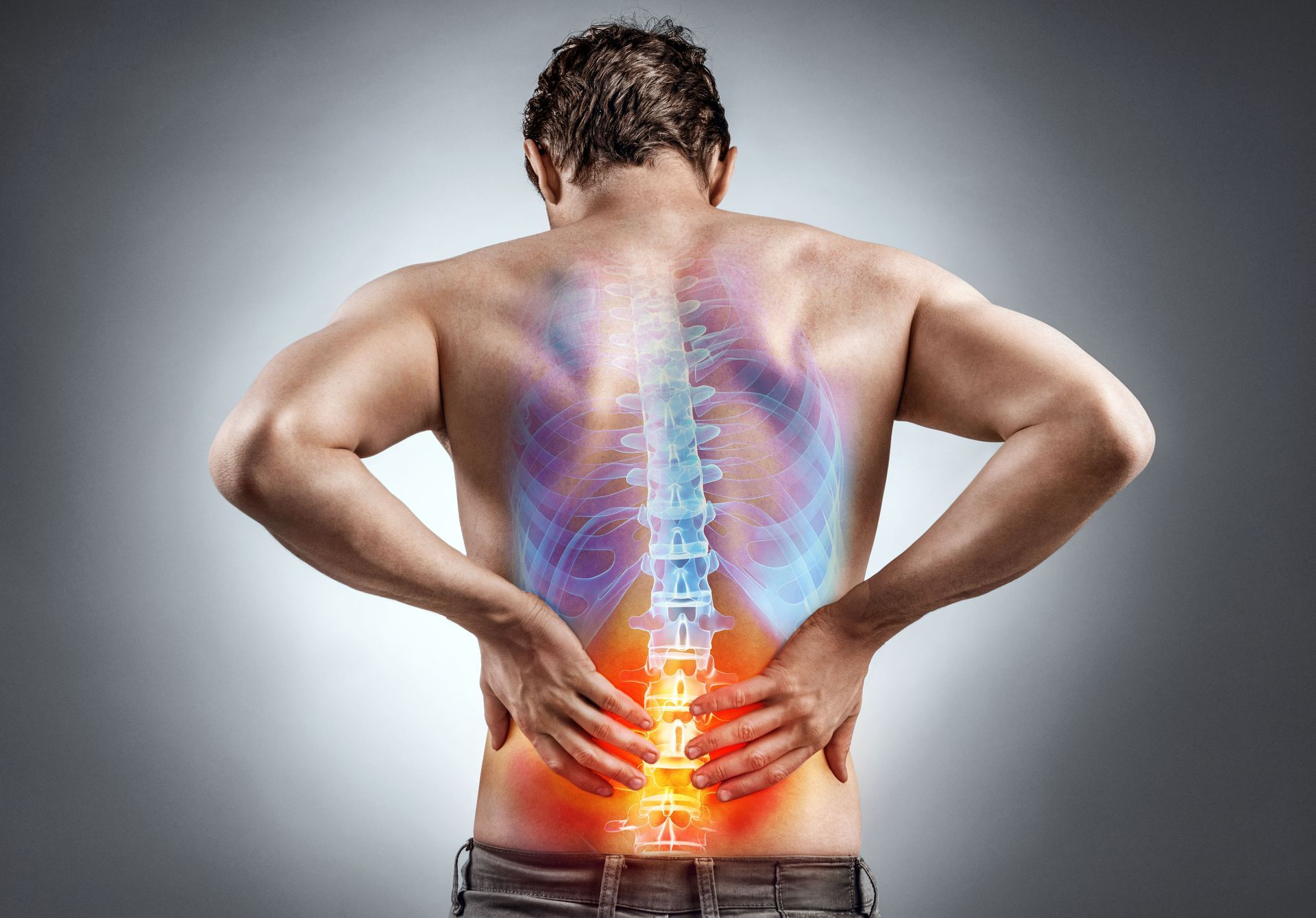
Spinal strain stems from various lifestyle factors and physical stressors that accumulate steadily over time. Prolonged sitting, improper alignment while resting, and poor workplace ergonomics put continuous pressure on structural support systems throughout the body. Occupational demands, including repetitive motion or heavy lifting, routinely intensify muscle tension and strain surrounding ligaments across the lower and upper spine. When these underlying triggers remain unchecked, temporary physical stiffness frequently transforms into ongoing structural imbalance, compromising general movement, limiting daily flexibility, and causing widespread physical exhaustion that impacts personal productivity and quality of life.
Different forms of spinal soreness demand targeted approaches to achieve true relief and lasting recovery. Sudden physical strain often develops from abrupt movements, heavy lifting, or acute muscle trauma, whereas persistent structural discomfort lingers over long periods and requires deeper clinical attention. Nerve irritation, frequently triggered by disc pressure or narrow spinal canals, can cause radiating discomfort across distant limbs, making simple walking uncomfortable. Identifying these specific patterns allows individuals to seek appropriate back pain treatment tailored directly to their unique anatomical needs, personal wellness goals, and daily lifestyle demands.
Recognize Early Signs of Spinal Distress
Identifying early physical warning signs is essential for preserving long-term spinal health and overall functional freedom. Subtle symptoms like localized stiffness, persistent dull aches, or restricted range of motion should never be ignored or dismissed as simple fatigue. Prompt action guided by trained health professionals helps prevent mild structural irritation from escalating into severe, long-term physical limitations. Early intervention preserves natural movement patterns, reduces bodily wear, and minimizes the overall need for complex medical procedures later in life, ensuring individuals stay active and vibrant.
Comprehensive physical evaluations and modern diagnostic imaging help health specialists locate exact sources of internal tension. Detailed physical examinations, combined with patient history, clarify structural imbalances and guide targeted recovery strategies for long-term health. Addressing physical distress promptly also prevents significant economic and personal strain across everyday life. In fact, according to the Health Policy Institute, spinal discomfort causes employees to miss 83 million workdays annually. Timely back pain treatment minimizes these widespread disruptions while establishing a solid foundation for sustainable physical health and workplace effectiveness.
Explore Conventional Medical Interventions
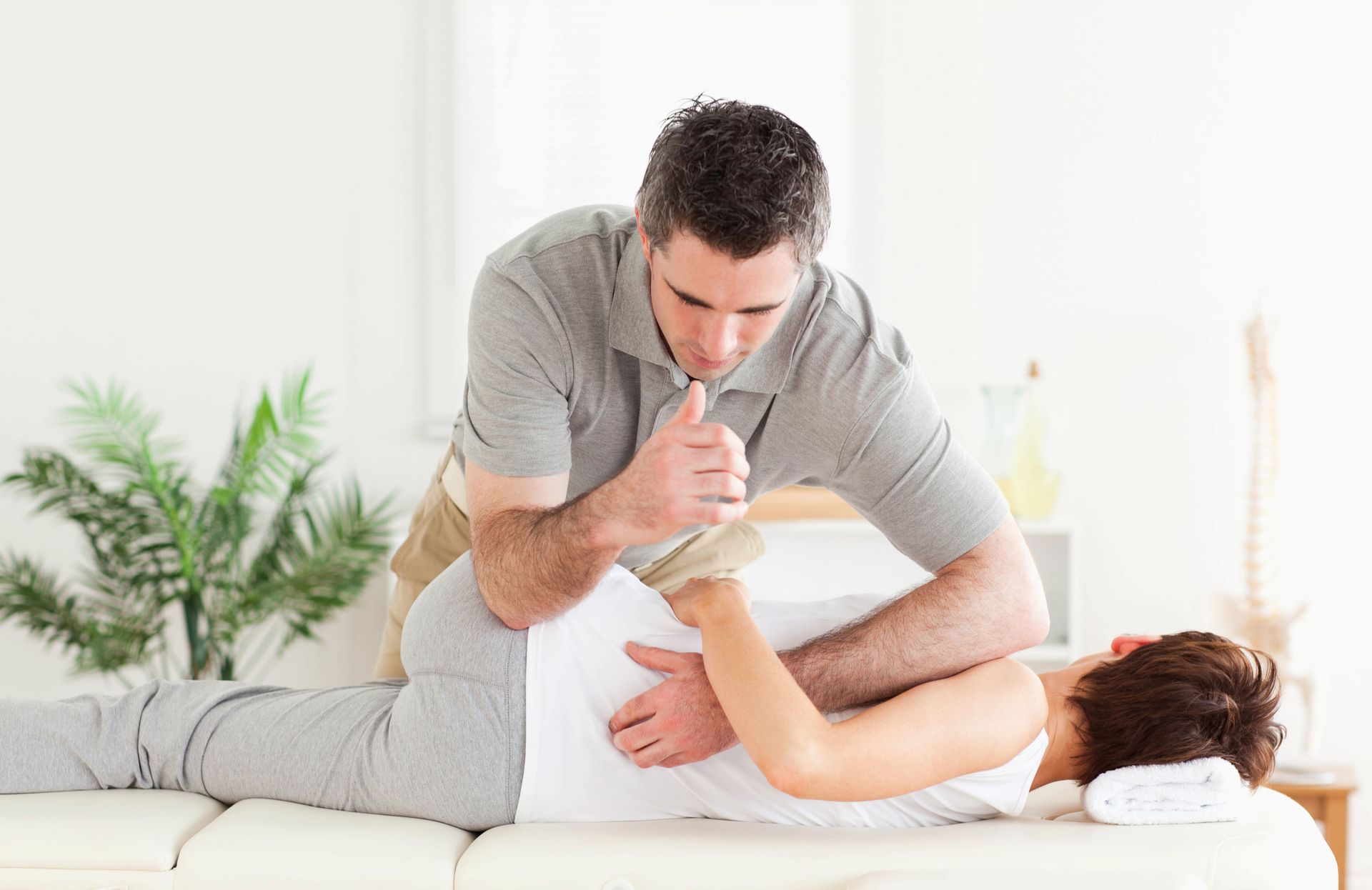
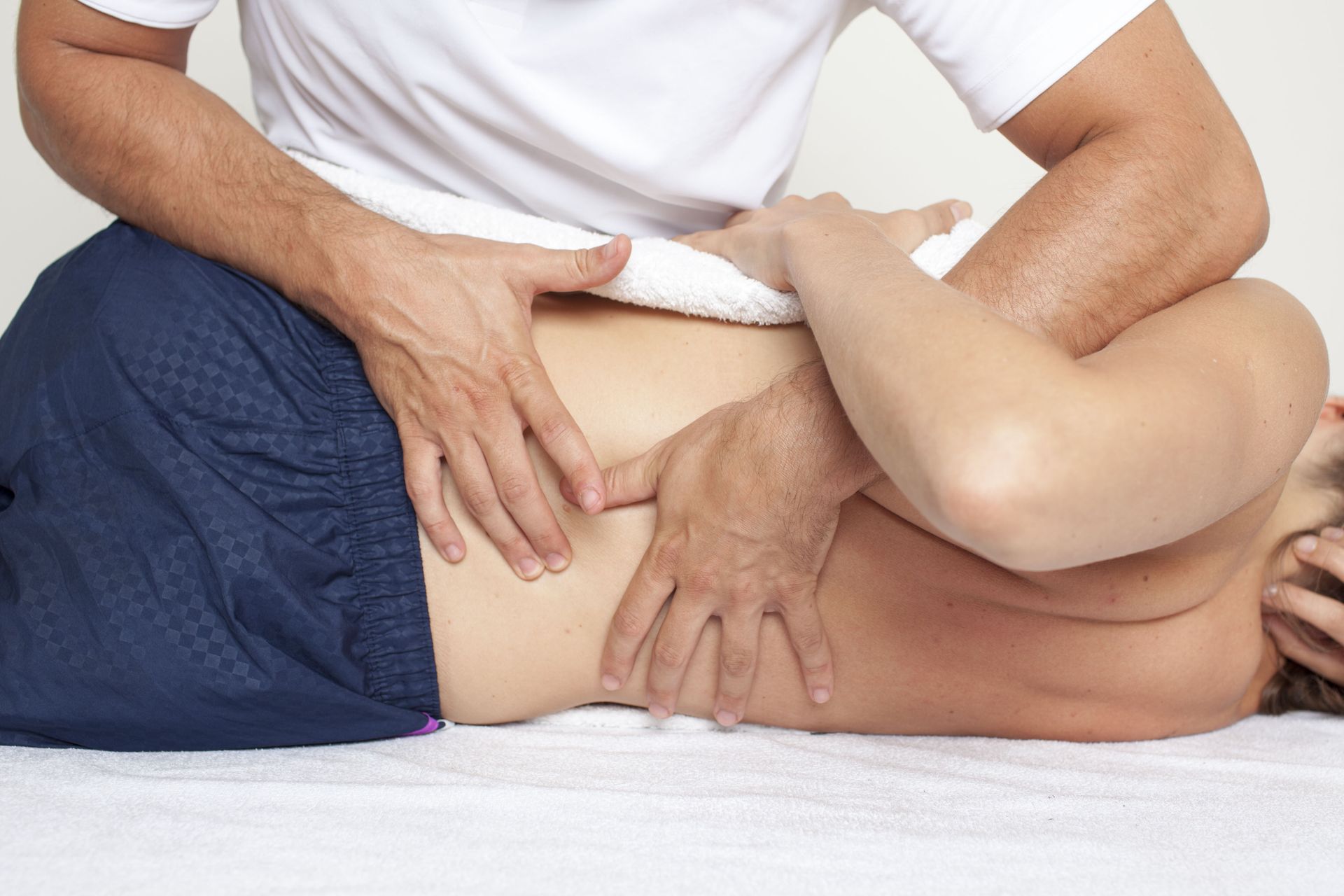
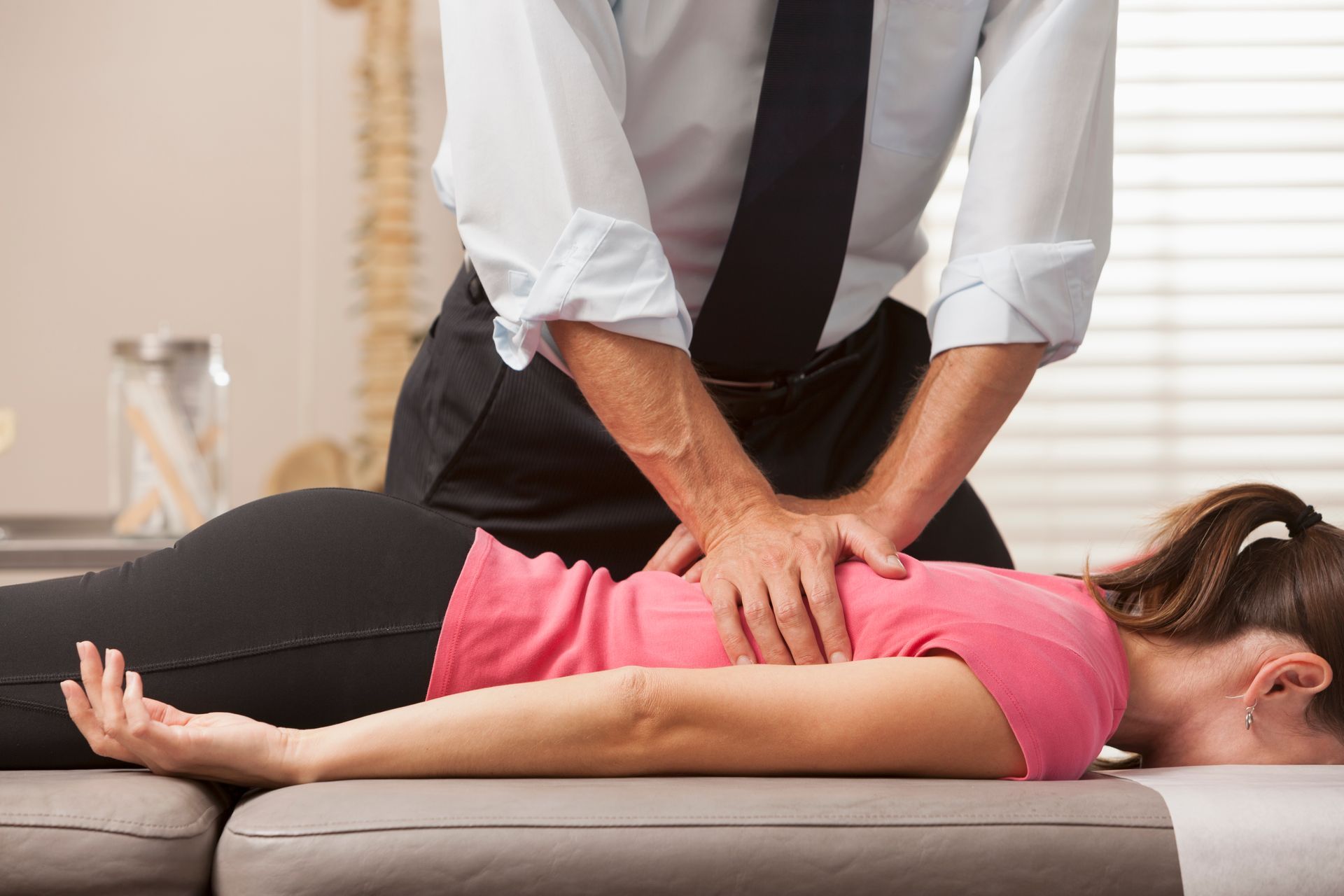
Physical rehabilitation forms a primary pillar of effective back pain treatment. Structured movement programs focus on strengthening core muscles, stabilizing the spine, and expanding the general range of motion across daily activities. Under expert guidance, tailored physical exercises rectify postural deficiencies and alleviate stress placed on delicate spinal joints during normal movement. Specialized rehabilitation routines often incorporate hands-on therapeutic techniques, stretching exercises, and movement retraining, providing individuals with the necessary tools to rebuild physical strength safely and effectively without risking further injury.
Medication options can provide supportive relief during acute flare-ups, allowing patients to participate more comfortably in active rehabilitation programs. Over-the-counter anti-inflammatory options temporarily reduce tissue swelling and ease localized tenderness, facilitating easier movement during daily tasks. When discomfort is particularly severe, clinical professionals may prescribe specialized medications to soothe muscle spasms or manage intense sensory responses. However, pharmaceutical support functions best as a short-term aid alongside comprehensive back pain treatment rather than an isolated long-term solution for maintaining lasting health.
Integrate Complementary and Alternative Therapies
Acupuncture has gained widespread recognition as a valuable complementary approach within comprehensive back pain treatment. This traditional practice utilizes subtle stimulation at precise bodily points to relieve muscular tension and encourage natural bodily recovery. Research indicates that targeted needle stimulation can diminish discomfort intensity while improving overall functional capacity during daily activities. By stimulating underlying nervous tissue, acupuncture releases natural pain-relieving signals, making it an excellent partner to conventional therapeutic regimens and ongoing physical therapy programs designed for long-term recovery.
Mindful movement practices like yoga and Pilates offer holistic benefits by building deep core stability, flexibility, and physical awareness. These structured disciplines focus on precise alignment, balanced muscular activation, and controlled breathing routines that calm the nervous system. Regular participation balances opposing muscle groups, reduces chronic physical tension, and enhances overall posture during standing or sitting. Practicing under certified guidance ensures movements are executed safely, transforming these gentle exercises into highly effective tools for ongoing spinal maintenance, improved flexibility, and overall bodily vitality.
Implement Supportive Daily Lifestyle Adjustments
Regular physical exercise serves as a fundamental foundation for maintaining a healthy, resilient, and pain-free spine. Low-impact activities such as walking, swimming, and stationary cycling strengthen supporting back muscles without placing excessive pressure on sensitive spinal joints. Engaging in regular movement also stimulates natural endorphin release, boosting mood and decreasing sensory awareness of physical discomfort. Establishing a balanced routine that combines aerobic activity with gentle strength training protects the spine against future physical stress while enhancing personal energy levels throughout the day.
Ergonomic modifications throughout daily environments play a critical role in minimizing ongoing physical strain and muscular fatigue. Adjusting desk seating, optimizing computer monitor heights, and using lumbar support cushions help maintain natural spinal curvature during extended sitting. Strategic environmental adjustments reduce unnecessary strain on spinal tissues and prevent posture-related fatigue during long working hours. Cultivating consistent postural awareness during routine activities creates a protective daily environment that supports comfortable, fluid movement throughout every single task at home or work.
Adopt Proactive Measures for Long-Term Prevention
Mastering proper body mechanics during daily physical tasks is vital for preventing recurring spinal strain and muscle damage. Bending at the knees, holding heavy objects close to the torso, and avoiding sudden twisting motions protect vulnerable spinal structures from unnecessary trauma. Integrating these safe movement habits into occupational duties and home chores preserves joint alignment and minimizes daily wear. Education focused on safe lifting practices empowers individuals to perform everyday physical responsibilities without compromising their physical integrity, flexibility, or overall comfort.
Establishing an optimal sleeping environment further supports nightly spinal recovery, muscle relaxation, and physical well-being. Selecting a supportive mattress and an appropriately elevated pillow helps keep the head, neck, and back properly aligned throughout the night. Sleeping on one's side or back with strategic pillow support reduces pressure on the lower spine, allowing muscles to relax fully. Consistent attention to sleep quality ensures that bodily tissues repair efficiently, empowering individuals to pursue an active lifestyle with renewed energy each day.
Addressing the root causes of physical discomfort through professional back pain treatment enables individuals to reclaim their mobility, vitality, and physical independence. Combining structured rehabilitation, holistic care, and daily ergonomic habits creates a reliable path toward long-term physical freedom and lasting comfort. Taking proactive steps today protects spinal health, reduces future discomfort, and ensures lasting agility for years to come. Contact us at The Wellness Way-Columbia to schedule a consultation and let our team guide you toward a healthier, more active life.





Share On: